Tag: CRIMESCENE
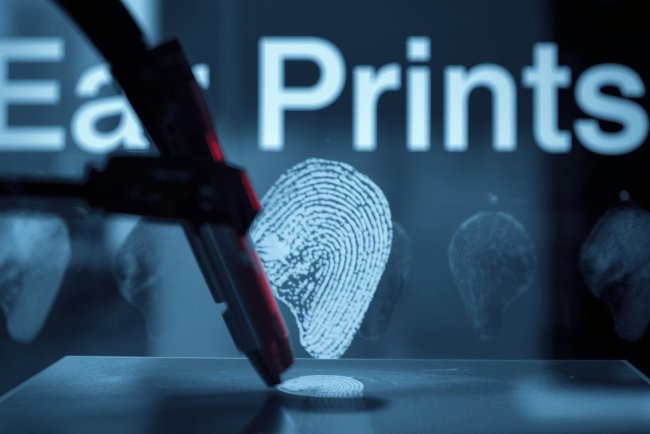
Ear Prints in Criminal Investigation
In forensic science, physical impressions left accidentally at the scene of crime can act as silent witnesses. The ear print is on...
Collection and Preservation of Biological Evidence
Any evidence that comes from a living thing, most frequently the human body, is referred to as biological evidence. It is utilized...
Investigating the Future: Day 1 of International F...
Any place where a crime has been committed or where evidence of the crime may be discovered is considered a crime scene. Because...
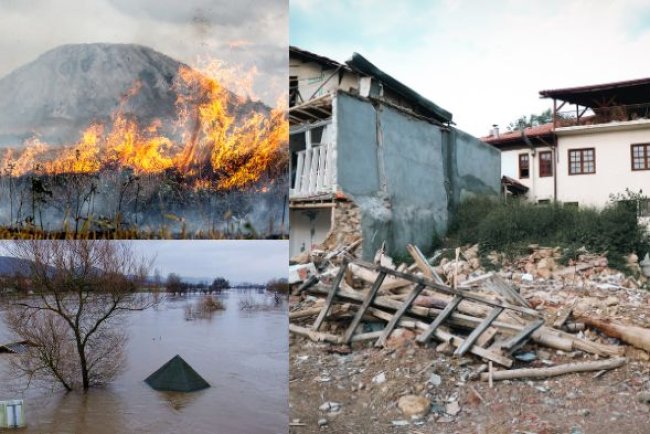
Climate Impact & Forensics in Disasters
Climate Impact & Forensics in Disasters is a rapidly emerging topic in forensic science, driven by the increase in climate-related...

Use of Forensic Chemistry in Narcotic and Poison D...
Modern criminal investigations heavily rely on forensic chemistry, particularly when dealing with instances involving poisonous co...
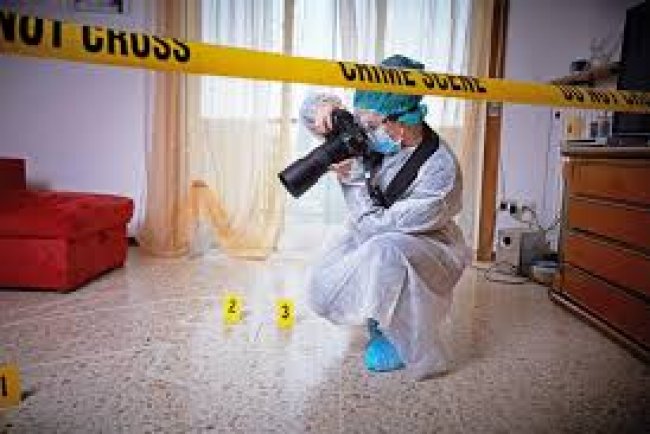
Snapshots of Truth: The Forensic Photography
Crime scene photography, another name for forensic photography, is the use of photos in court cases. It include recording crime s...
Modern Crime Scene Management: Best Practices and ...
Effective crime scene management is the backbone of any successful criminal investigation. A poorly managed scene can lead to loss...

Tracing Truth: The Impact of Forensic Science on C...
In today's crime investigation, forensic science is essential since it helps law enforcement solve crimes more precisely and accur...
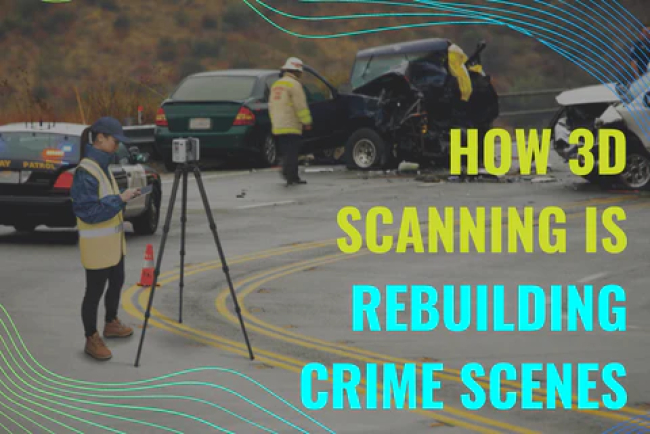
3D Crime Scene Reconstruction: A New Era in Forens...
In the quickly changing field of forensic science, technology is now an essential tool for crime solving. Today, 3D crime scene r...

"The 7 S's of Crime Scene Investigation''
From a forensic standpoint, crime scene investigation (CSI) is the systematic and scientific process of investigating a crime scen...