Climate Impact & Forensics in Disasters
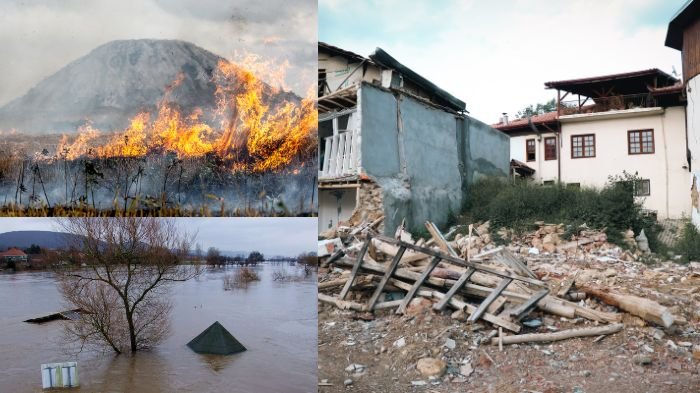
Climate Impact & Forensics in Disasters is a rapidly emerging topic in forensic science, driven by the increase in climate-related catastrophes—such as floods, wildfires, heatwaves, hurricanes, and landslides—which are becoming more intense and frequent due to global climate change.
What is it?
This area focuses on applying forensic science techniques to identify victims, investigate causes, and assess liability during or after natural or climate-induced disasters.
Why is it important?
-
Rising frequency of disasters (e.g. floods in Europe and Asia, wildfires in the US and Australia)
-
Mass fatalities often require rapid and accurate identification of bodies
-
Investigations are needed to determine:
-
Was it a natural event or a man-made disaster?
-
Were there human errors, negligence, or environmental crimes?
-
Who is responsible or liable (e.g. government, private companies)?
-
Key Forensic Roles in Climate Disasters
1. Disaster Victim Identification (DVI)
-
Used in mass casualty events (e.g. wildfires, building collapses, floods)
-
Techniques include:
-
DNA profiling
-
Dental forensics
-
Fingerprinting
-
Anthropology (skeletal analysis)
-
-
Bodies are often badly decomposed, burned, or fragmented, making identification complex
2. Forensic Pathology
-
Determines cause and manner of death
-
Helps distinguish between:
-
Natural deaths (e.g. drowning, suffocation)
-
Homicide or negligence (e.g. trapped in unsafe infrastructure)
-
3. Environmental Forensics
-
Investigates whether human actions contributed to the disaster
-
Examples:
-
Illegal deforestation → landslides
-
Poor dam maintenance → floods
-
Toxic waste leaks during floods
-
Fires due to utility company negligence (e.g. PG&E fires in California)
-
4. Forensic Anthropology & Archaeology
-
Excavation and identification of human remains in buried or remote disaster zones
-
Can involve long-term investigations (e.g. landslides or tsunami aftermath)
5. Forensic Entomology
-
Estimating postmortem interval (PMI) using insect activity on corpses in open, hot, or waterlogged environments
6. Geoforensics
-
Use of geological and soil analysis to understand landslides, erosion, or sinkholes
-
Can help in proving liability in court
7. Remote Sensing & Drone Forensics
-
Used for site documentation, victim location, and damage assessment
-
Drones help scan large and dangerous areas post-disaster
Real-World Examples
| Disaster | Forensic Application |
|---|---|
| 2023 Turkey-Syria Earthquake | DVI to identify thousands of bodies from collapsed buildings |
| Australian Bushfires (2019–2020) | Burn victim identification; analysis of fire origins |
| Kerala Floods (India) | Death investigation and use of soil analysis to assess landslide causes |
| California Wildfires | Determining cause of fires (e.g. utility equipment failure); victim identification |
| Cyclone Amphan (India/Bangladesh) | Post-disaster autopsies and flood-related drowning cases |
Challenges in This Field
-
Severe body decomposition or dismemberment
-
Contaminated evidence from water, heat, or debris
-
Overwhelming number of casualties
-
Legal issues around liability and compensation
-
Lack of disaster preparedness and forensic infrastructure in developing regions
Follow cyberdeepakyadav.com on
Facebook, Twitter, LinkedIn, Instagram, and YouTube
What's Your Reaction?