Digital Forensics in Cloud Storage Systems
Digital Forensics in Cloud Storage Systems is a fast-evolving field focused on investigating cybercrimes and data breaches involving cloud platforms like Google Drive, Dropbox, OneDrive, Amazon S3, or Microsoft Azure. This area addresses challenges in evidence acquisition, data integrity, user attribution, jurisdiction, and privacy when data is stored off-premises on third-party servers.
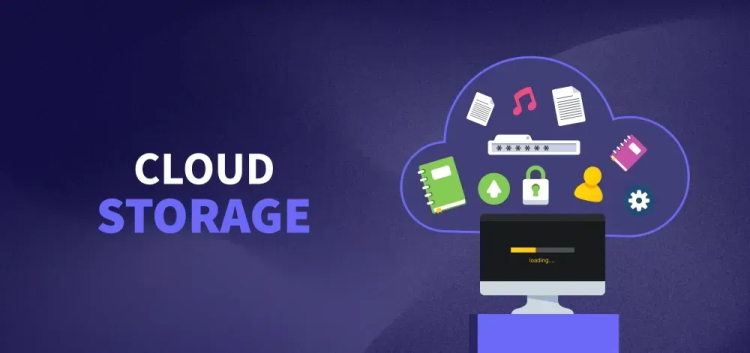
What Is Cloud Forensics?
A branch of digital forensics called "cloud forensics" is concerned with locating, storing, evaluating, and displaying digital evidence from cloud environments. It encompasses Platform as a Service (PaaS), Software as a Service (SaaS), and Infrastructure as a Service (IaaS).
Key Objectives
-
Identify compromised or misused cloud accounts.
-
Preserve volatile and distributed cloud data securely.
-
Extract logs, files, and metadata from cloud service providers.
-
Analyze access patterns, timestamps, IPs, and file history.
-
Present admissible evidence in court.
Forensic Techniques in Cloud Storage Systems
| Forensic Technique | Purpose |
|---|---|
| Log Analysis | Review user access, file activity, and login IPs from cloud provider metadata |
| API Monitoring | Capture live activity using provider APIs (e.g., AWS CloudTrail, Google Workspace Admin) |
| Snapshot Imaging | Creating logical snapshots of virtual machines (e.g., Amazon EC2) |
| Metadata Extraction | Extract timestamps, version history, file sharing settings |
| Live Cloud Forensics | Direct access to data from running systems, using forensic tools like FTK, Magnet AXIOM, or X-Ways |
| Memory Dump Analysis | Examine volatile memory in cases of VM-based infrastructure compromise |
Data Sources in Cloud Forensics
-
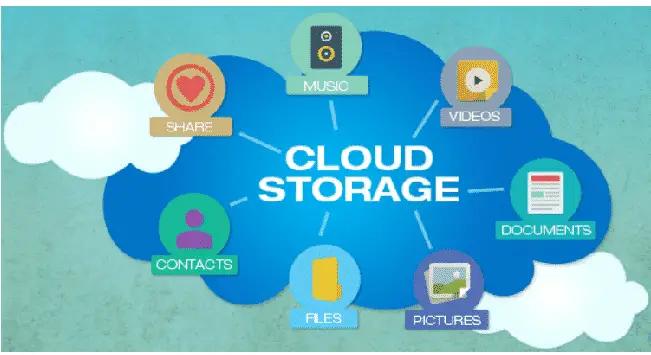
Cloud storage data: e.g., files, photos, videos, logs
-
Cloud metadata: file creation, access logs, permissions
-
Virtual machine snapshots (for IaaS)
-
Account information: user roles, groups, MFA setup
-
Email and chat logs (in SaaS platforms like Gmail or Slack)
Legal and Technical Challenges
| Challenge | Details |
|---|---|
| Multi-Tenancy | Multiple users share same physical hardware—can complicate attribution. |
| Jurisdiction | Data may be stored across international borders—affects legal access and privacy laws (e.g., GDPR, US CLOUD Act). |
| Lack of Physical Access | No access to servers or hardware—must rely on cloud provider cooperation. |
| Volatile Data | Cloud data can be deleted or overwritten quickly. |
| Chain of Custody | Ensuring data was not tampered with during acquisition or analysis. |

Common Tools and Platforms
-
FTK Imager / FTK Cloud
-
Magnet AXIOM Cloud
-
AWS CloudTrail / S3 Access Logs
-
Google Takeout / Google Workspace Audit Logs
-
X-Ways Forensics
-
Autopsy with cloud plugin integrations
-
Elcomsoft Cloud Explorer
What's Your Reaction?