AI-Powered AR Glasses in India: Innovation or Surveillance Threat?
AI-powered AR glasses are entering India, raising debates over privacy, consent, and surveillance. Can innovation and civil liberties coexist?
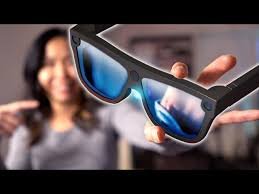
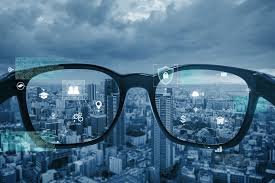
India has seen the arrival of the next generation of wearable technology. The industry is seeing the introduction of AI-powered augmented reality (AR) glasses that can identify objects and people, translate conversations in real time, and record video. While privacy advocates caution that they may subtly bring in a new era of surveillance, tech aficionados see them as the future of hands-free computing.
Charming "Smart Vision"
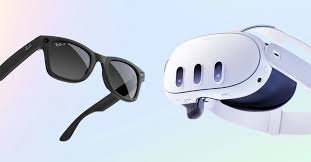
With features like voice-controlled AI, live translation, rapid social media sharing, and even experimental "super sensing" capabilities like facial recognition, Meta's Ray-Ban smart glasses, which are currently being introduced in India, demonstrate the potential. They offer users ease and state-of-the-art digital engagement, such as constantly having an AI assistant nearby.
Critics are alarmed by the same characteristics that make these glasses appealing. AR glasses can record covertly, which raises the possibility of undetectable monitoring in contrast to a phone camera, which is apparent when in use.
An Unassuming Witness in Public Areas
Consent is the first thing that comes to mind. Even though Meta features a tiny LED indication to signify whether recording is engaged, privacy experts contend that it is hardly perceptible, particularly in light outdoor environments. This implies that without the onlookers' knowledge, they could be recorded, examined, or even identified.
The glasses might be used to "dox" strangers in real time using open-source facial recognition software, as undergraduate researchers in the United States showed earlier this year. Unchecked proliferation of such capabilities could transform India's congested public areas into uncontrolled surveillance areas.
The Legally Complicated Area in India
The Digital Personal Data Protection Act, 2023, was created in India to protect personal information. Although the law is still not fully implemented, wearable AI technology and continuous recording devices are not directly covered by it.
A cyber law expert from Delhi claims that while the DPDP Act covers digital data in general, it needs more specific rules regarding biometric and real-time monitoring technologies. We run the risk of normalising a culture of recording without permission if we don't.
Innovation currently outpaces regulation. This loophole exposes users and onlookers to abuse, ranging from potential overreach by state actors to illegal data harvesting by corporations.
The International Playbook
India is hardly the only country facing these challenges. Due to privacy concerns, Google Glass was initially banned from restaurants and movie theatres when it debuted in the West in 2013. Companies like Meta have previously received warnings from European data regulators on default data retention policies. India's consumer market, on the other hand, is frequently less cautious of hidden trade-offs and more excited about new technology.
The Dilemma of Society
AR glasses raise issues of social trust and etiquette that extend beyond the law. If you were sitting across from someone whose glasses might be recording you, would you feel comfortable? Will they be prohibited from public spaces, schools, and workplaces?
Ananya Sen, a privacy researcher located in Bengaluru, asserts that there is a fine line between innovation and intrusion. “The expectation of anonymity in public life may be lost if AR glasses become commonplace.”
Developing a More Secure Future
Experts recommend a combination of societal standards, legislative clarity, and technological safeguards to control innovation:
Strong defaults reduce the amount of data that is collected.
• Visual indications that are required when recording is in progress.
• Facial recognition limitations unless expressly agreed.
• Campaigns for public awareness to teach users how to use technology responsibly.
Ignoring these precautions could cause AR glasses to subtly undermine privacy and autonomy in addition to improving eyesight.
As India embraces this state-of-the-art technology, it is clear that the conversation must go beyond technology. It is up to the people, the authorities, and the innovators to determine what kind of future we want to imagine with these new insights.
Follow cyberdeepakyadav.com on
Facebook, Twitter, LinkedIn, Instagram, and YouTube
What's Your Reaction?