Delhi Police Busts ₹6.33 Crore Cyber Fraud Syndicate Posing as SEBI-Registered Brokers
Delhi Police unmasked a ₹6.33 crore cyber fraud network impersonating SEBI brokers. Three Odisha-based accused arrested; linked to 165+ online investment scams.
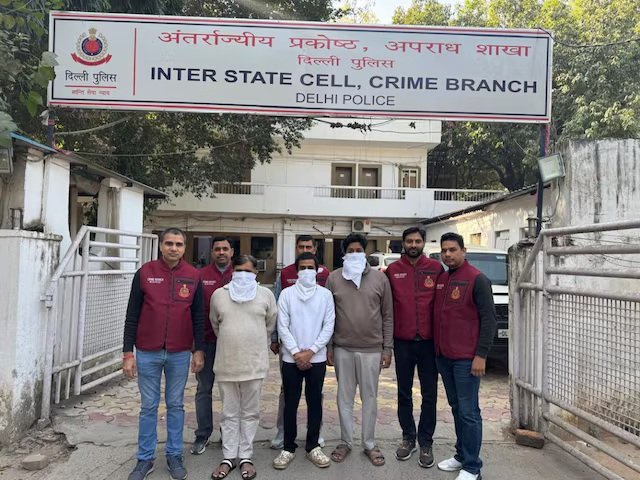
Delhi Police Bust ₹6.33 Crore Nationwide Cyber Fraud Syndicate
The Delhi Police Crime Branch – Inter-State Cell has uncovered a major cybercrime syndicate accused of defrauding people across India of ₹6.33 crore through fake online investment schemes. The network operated by impersonating SEBI-registered stockbrokers, luring victims into fraudulent investment opportunities.
Key Arrests and Network Exposure
During the investigation of a ₹50 lakh fraud case, the police traced the crimes to a coordinated group operating from Odisha. Three main accused—members of the Panda family—were arrested:
-
Pravash Chandra Panda (43)
-
Pritam Roshan Panda (27)
-
Shritam Roshan Panda (24)
These individuals were linked to 165+ cybercrime complaints across the country.
The police seized:
-
17 mobile phones
-
21 SIM cards
-
124 ATM/debit cards
-
56 bank passbooks
-
25 cheque books
-
A cash-counting machine
The volume of seized items indicates a well-structured cyber fraud syndicate.
Modus Operandi: How the Scam Worked
The operation began when a complainant was approached by scammers posing as SEBI-registered stockbrokers. They presented attractive investment options, including:
-
Secondary Stocks
-
Pre-IPO Shares
-
Off-Market Trades
To gain trust, the fraudsters used:
-
Manipulated web applications
-
Fake SEBI certificates
-
Professional-looking dashboards
The victim ultimately transferred ₹49.73 lakh into various bank accounts provided by the scammers. These accounts turned out to be mule accounts—created solely for receiving and distributing fraudulent money.
A major mule account under the name “M/s Shreeji Apparels” was identified as the primary receiver of funds.
Money Laundering Mechanism
The interrogation revealed that the accused would:
-
Rapidly deposit the stolen money into multiple mule accounts
-
Withdraw cash quickly through ATMs
-
Transfer funds across numerous accounts to evade detection
The presence of 124 ATM cards and multiple passbooks confirmed their strategy to launder money swiftly.
Structure of the Cyber Syndicate
Delhi Police stated that the syndicate was divided into multiple layers:
1. Front-End Operators
These members posed as investment advisors, contacted victims, and convinced them to invest.
2. Regional Handlers
They coordinated the movement of funds through mule accounts, ensured rapid withdrawals, and kept the money trail obscure.
This multilayered setup allowed the group to operate across state lines while avoiding quick detection.
Impact and Police Advisory
Police believe that with the arrest of the main accused, more than 165 cybercrime cases might see progress.
Authorities have issued a strong warning to the public:
Safety Guidelines
-
Always verify broker credentials on the official SEBI website.
-
Be cautious of individuals promising high or guaranteed returns.
-
Avoid transferring funds to unknown or personal bank accounts.
-
Do not trust investment schemes circulated on WhatsApp, Telegram, or social media.
For suspected fraud, citizens should immediately report to 1930 (Cyber Helpline) or cybercrime.gov.in.
Follow cyberdeepakyadav.com on
Facebook, Twitter, LinkedIn, Instagram, and YouTube
What's Your Reaction?