Online Trading Scam: Retired Executive Duped of ₹89 Lakh in Sophisticated Cyber Fraud
A retired corporate executive lost ₹89 lakh in a well-planned online trading scam involving fake WhatsApp groups, bogus experts, and a fraudulent trading app. The case highlights rising cyber fraud risks and the growing use of social engineering tactics to target investors.
Rising Cyber Fraud in Online Trading Raises Investor Safety Concerns
Online stock trading se jude cyber fraud ke cases lagataar badh rahe hain, jo investors ki safety par gambhir sawal khade kar rahe hain. Haal hi mein saamne aaye ek maamle ne is khatre ko phir se ujagar kiya hai, jahan ek retired corporate executive ko high returns ka lalach dekar ₹89 lakh ka chuna lagaya gaya.
Is case mein Nashik ke do vyakti—Yogeshwar Jagannath Kuthe aur Hrishikesh Bhagwat Kuthe—ko giraftar kiya gaya hai. Aarop hai ki inhone apne bank accounts cyber criminals ko use karne diye, jinke through lagbhag ₹51 lakh ki rashi alag-alag jagahon par transfer ki gayi.
How the Fraud Unfolded
Poora scam ek simple lekin effective strategy par based tha:
Social Media Ad → WhatsApp Group → Fake Experts → Trading App → Fake Profits → Large Investment → Withdrawal Blocked
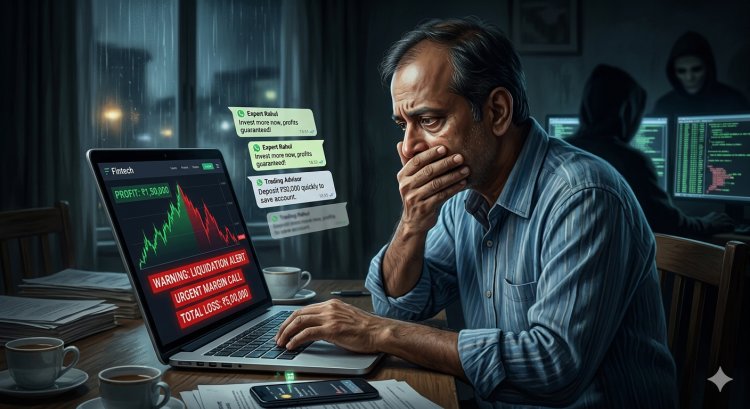
Victim, 54 varshiya Rajasekharan Harikrishnan, ne social media par ek attractive advertisement dekha jisme stock market se high returns ka wada kiya gaya tha. Link par click karte hi unhe ek WhatsApp group mein add kar diya gaya, jahan lagbhag 150 members maujood the.
Group mein regular basis par profit screenshots aur success stories share ki ja rahi thi, jisse ek trust ka mahaul ban gaya. Isi dauraan “Professor Sanjeev Das” naam ke ek vyakti ne unse sampark kiya aur investment ke liye prerit kiya. Saath hi, Sania Gupta aur Karan Verma jaise anya logon ne bhi apne aap ko financial experts batakar bharosa jeeta.
Fake App, Real Loss
Fraudsters ne victim ko ek specific trading application download karne ke liye kaha. Shuruaat mein app par profits dikhaye gaye, jisse unka confidence badhta gaya. Dheere-dheere unhe zyada paisa invest karne ke liye motivate kiya gaya.
10 February se 6 March ke beech victim ne kul ₹89 lakh invest kar diye. Lekin jab unhone paisa nikalne ki koshish ki, toh unhe bataya gaya ki unka account “regulatory inquiry” ke chalte freeze ho gaya hai. Iske baad fraudsters se contact toot gaya, aur tab unhe ehsaas hua ki woh scam ka shikaar ho chuke hain.
Investigation and Money Trail
Shikayat milne ke baad agencies ne paison ke flow ko trace kiya. Jaach mein pata chala ki ₹51 lakh ki rashi Nashik ke Pimpalgaon se jude ek bank account mein transfer hui thi. Isi lead ke aadhaar par do aaropiyon ko pakda gaya.
Prarambhik jaanch se yeh bhi sanket milta hai ki aaropiyon ne commission ke badle apne accounts ka upyog karne diya. Authorities ab is network ke anya members aur main masterminds ki talash mein lagi hui hain.
The Role of Social Engineering
Experts ke mutabik, is tarah ke scams “social engineering” par adharit hote hain—jahan logon ka bharosa jeetkar unhe phasaya jata hai. Fake identities, WhatsApp groups aur bogus applications ka istemal karke ek aisa environment create kiya jata hai jahan victim ko sab kuch genuine lagta hai.
Key Warning Signs
• Unknown WhatsApp groups
• Unverified trading apps
• Pressure to invest more
• Withdrawal issues
Conclusion
Yeh ghatna ek sakht chetavni hai ki online investment ke dauraan saavdhani bahut zaroori hai. High returns ke lalach mein bina verify kiye kisi bhi platform par paisa lagana khatarnak ho sakta hai.
Aaj ke digital yug mein, financial awareness aur alertness hi sabse badi suraksha hai.
Follow cyberdeepakyadav.com on
Facebook, Twitter, LinkedIn, Instagram, and YouTube
What's Your Reaction?