Rising Cyber Fraud in India: Andhra Pradesh MLAs Lose Lakhs in Phishing and Digital Arrest Scams
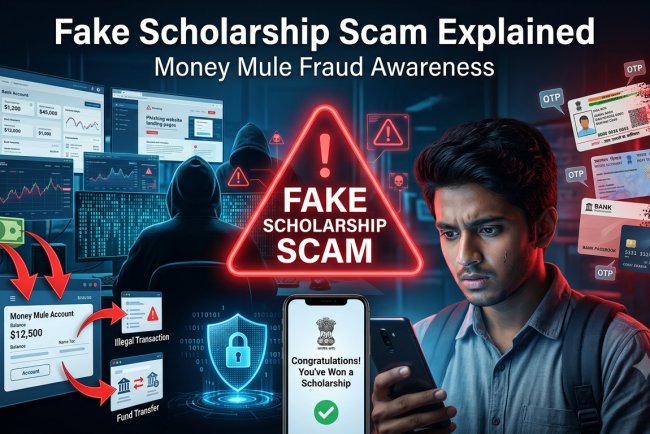
This report highlights the alarming rise of cybercrime in India, focusing on recent incidents involving Andhra Pradesh MLAs who fell victim to sophisticated online scams. From phishing links disguised as RTA challans to high-pressure digital arrest frauds, the cases reveal how cybercriminals exploit trust and fear to carry out financial fraud. The analysis underscores the urgent need for cyber awareness, stronger security measures, and proactive law enforcement to prevent such incidents.
Professional Analysis Report: Rising Cyber Fraud Cases Among Public Representatives
1. Introduction
Recent incidents in Andhra Pradesh highlight the growing threat of cybercrime in India, affecting even high-profile individuals such as Members of the Legislative Assembly (MLAs). These cases demonstrate the increasing sophistication of cybercriminals and the urgent need for enhanced digital awareness and security measures.
2. Case Overview
Case 1: Phishing Fraud (₹12 Lakh Loss)
- Victim: Chirri Balaraju (MLA, Polavaram)
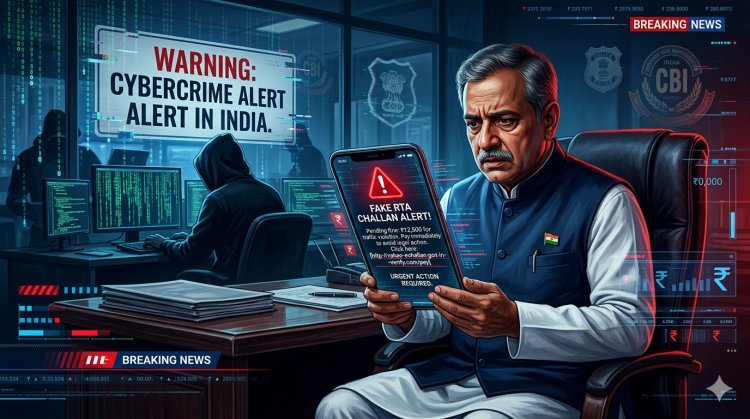
- Method: Fake WhatsApp message with RTA challan link
- Outcome: ₹12 lakh debited after clicking the link
- Action Taken: Police complaint filed; investigation ongoing
Case 2: Digital Arrest Scam (₹1.07 Crore Loss)
- Victim: Putta Sudhakar Yadav (MLA, Mydukur)
- Method: Impersonation of cybercrime officials
- Tactics Used:
- Fake FIR and legal threats
- WhatsApp video call with forged documents
- Outcome: ₹1.07 crore transferred in multiple transactions
- Trigger for Realisation: Additional demand of ₹60 lakh
3. Comparative Analysis Chart
Fraud Comparison Table
| Aspect | Case 1 (Balaraju) | Case 2 (Yadav) |
|---|---|---|
| Type of Fraud | Phishing | Digital Arrest Scam |
| Medium | WhatsApp Link | Calls + Video + WhatsApp |
| Technique | Fake RTA Challan | Fake Police/CBI Identity |
| Psychological Tactic | Urgency | Fear & Threat |
| Amount Lost | ₹12 Lakh | ₹1.07 Crore |
| Complexity | Low | Very High |
Fraud Process Flow Chart
↓
Victim Contacted
(WhatsApp / Call)
↓
Trust Building
(Govt Authority Name)
↓
Manipulation
(Link / Threat / Fear)
↓
Action by Victim
(Click / Money Transfer)
↓
Financial Loss
↓
Realisation & Complaint
4. Key Insights
- Cybercriminals are increasingly:
- Using trusted institutions' identities (RTA, Police, CBI)
- Combining technology + psychological pressure
- Even well-informed individuals:
- Can fall victim due to panic and urgency
- Shift observed from:
- Simple scams → Highly organized digital fraud operations
5. Challenges Identified
- Lack of cyber awareness, even among public figures
- Delay in fraud detection
- Limited understanding of:
- Phishing links
- Fake legal threats
6. Recommendations
For Individuals
- Never click on unknown links
- Verify any legal notice from official sources
- Avoid sharing financial details online
For Authorities
- Launch awareness campaigns
- Strengthen cybercrime investigation units
- Implement faster fraud response systems
7. Conclusion
These incidents underline the rapid evolution of cybercrime in India. The fact that elected representatives are being targeted and deceived demonstrates that no individual is immune. Strengthening digital literacy and cybersecurity infrastructure is essential to combat such threats effectively.
Follow cyberdeepakyadav.com on
Facebook, Twitter, LinkedIn, Instagram, and YouTube
What's Your Reaction?