Jammu & Kashmir Cyber Crime Department Issues Advisory Amid Rising Online Fraud and Digital Scams
The Jammu & Kashmir Cyber Crime Department has issued a public advisory warning citizens about rising cyber fraud, phishing attacks, OTP scams, fake calls, and online impersonation. Learn essential cyber safety measures, reporting procedures, and ways to protect personal and financial information.

Cyber Fraud Threats on the Rise: Jammu & Kashmir Cyber Crime Department Issues Public Advisory
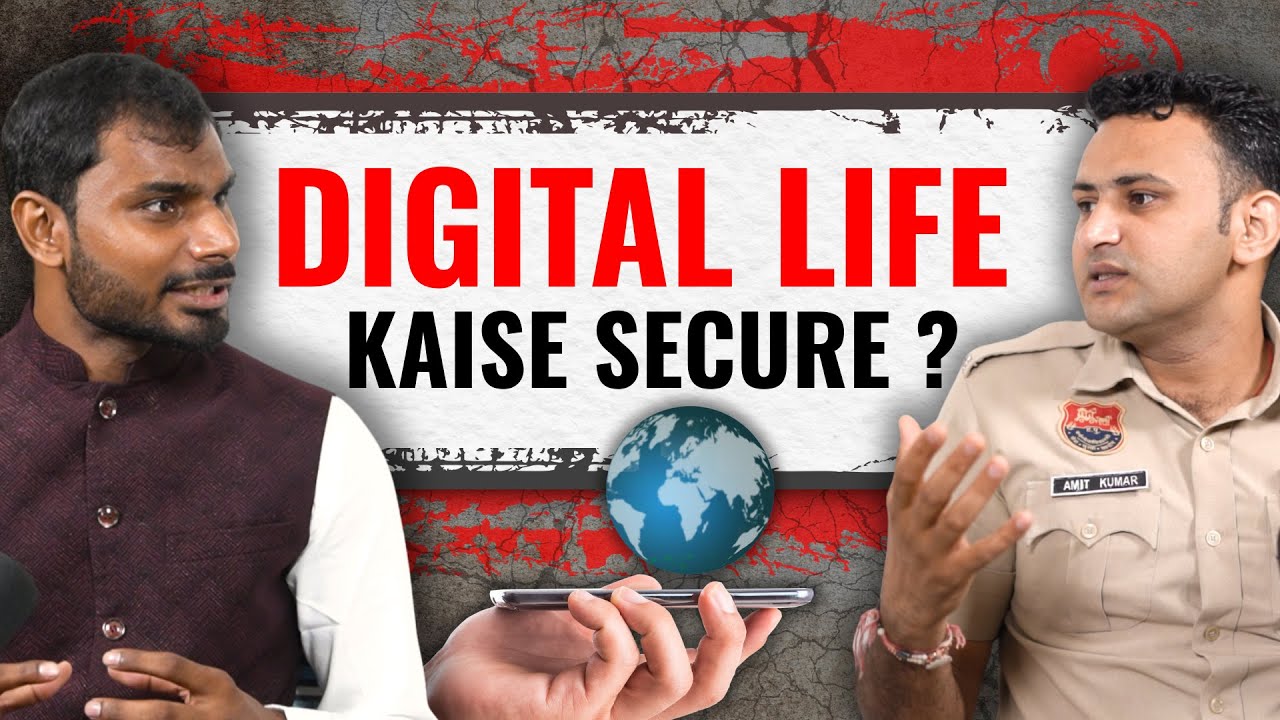
The Jammu & Kashmir Cyber Crime Department has issued a public advisory in response to the growing incidence of cyber fraud, online scams, and digital impersonation attacks across the region. The advisory highlights the increasing use of sophisticated techniques such as phishing links, fake phone calls, OTP fraud, and social media account compromise by cybercriminals.
Authorities have emphasized the importance of digital vigilance, secure online practices, and prompt reporting of cyber incidents to minimize financial losses and protect personal information.
Key Findings
1. Increasing Cyber Threat Landscape
Cybercriminals are adopting advanced social engineering tactics to manipulate individuals into revealing sensitive information, including:
- One-Time Passwords (OTPs)
- Banking credentials
- Personal identification details
- Social media login information
2. Common Fraud Techniques Identified
| Fraud Type | Description | Risk Level |
|---|---|---|
| Phishing Links | Malicious links designed to steal credentials | High |
| OTP Fraud | Trick victims into sharing verification codes | High |
| Fake Calls | Fraudsters posing as officials or bank staff | High |
| Social Media Hacking | Unauthorized access to accounts | Medium-High |
| Online Impersonation | Fake identities used to gain trust | High |
3. Preventive Measures Recommended
The department has advised citizens to:
- Avoid clicking unknown or suspicious links.
- Never share OTPs with anyone.
- Verify unknown callers before responding.
- Enable Two-Step Verification on WhatsApp.
- Regularly review account security settings.
- Report suspicious activities immediately.
4. Importance of Rapid Reporting
Officials stressed that immediate reporting can significantly improve the chances of:
- Blocking fraudulent transactions.
- Tracing suspicious accounts.
- Recovering lost funds.
- Preventing further misuse of personal data.
Citizens can report incidents through:
- Cyber Helpline: 1930
- National Cyber Crime Reporting System
- Local Police Authorities
Awareness Priority Chart
Critical Assessment
Strengths of the Advisory
✔ Clear and practical guidance for the public.
✔ Focuses on the most common cybercrime methods currently used by fraudsters.
✔ Promotes proactive security measures such as WhatsApp Two-Step Verification.
✔ Encourages timely reporting, which is critical in cybercrime investigations.
Areas for Improvement
✖ No statistical data provided regarding recent cybercrime trends.
✖ Lack of real-world case studies to demonstrate risks.
✖ Limited explanation of how phishing and social engineering attacks operate.
✖ No demographic analysis identifying the most vulnerable user groups.
Strategic Implications
The advisory reflects a broader trend in which increasing digital adoption is accompanied by greater cyber-security risks. As online banking, e-commerce, digital payments, and social media usage continue to expand, cyber awareness is becoming an essential component of public safety.
The success of such awareness campaigns will depend on:
- Continuous public education.
- Digital literacy initiatives.
- Rapid-response cybercrime infrastructure.
- Collaboration between citizens, financial institutions, and law-enforcement agencies.
Conclusion
The Jammu & Kashmir Cyber Crime Department's advisory serves as a timely reminder that cyber security is a shared responsibility. While law-enforcement agencies play a critical role in combating cybercrime, individual awareness remains the first line of defense. By adopting safe online practices, enabling additional security features, and reporting incidents promptly, citizens can significantly reduce their exposure to cyber threats and contribute to a safer digital ecosystem.
Follow cyberdeepakyadav.com on
Facebook, Twitter, LinkedIn, Instagram, and YouTube
What's Your Reaction?