Forensic Psychology
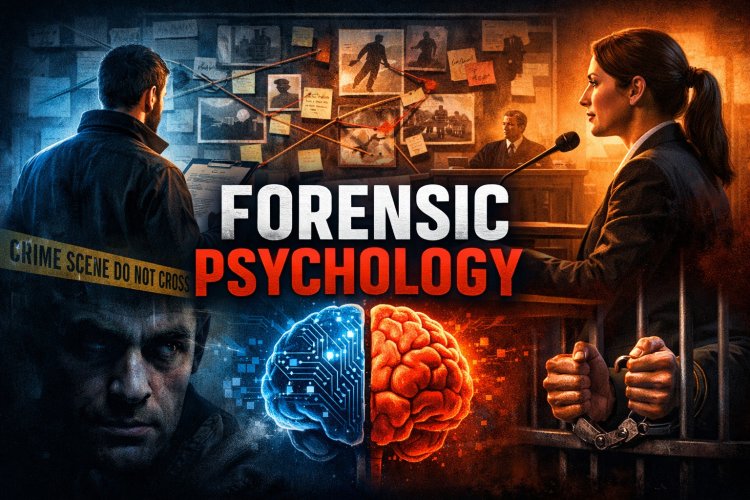
Forensic Psychology is a specialized field of psychology that applies psychological knowledge, theories, and methods to legal and criminal justice systems. It sits at the intersection of psychology, criminology, and law, helping understand why crimes happen, how criminals think, and how justice should be applied fairly.
1. Core Areas of Forensic Psychology
A. Criminal Psychology (Offender Behavior)
- Studies thoughts, motives, and personality of criminals
- Answers questions like:
- Why did the person commit the crime?
- Was it planned or impulsive?
- Includes criminal profiling
B. Legal Psychology
- Focuses on how psychological factors affect:
- Judges’ decisions
- Jury behavior
- Eyewitness memory (which can be unreliable!)
C. Clinical Forensic Psychology
- Deals with mental health of offenders
- Determines:
- Is the accused mentally fit to stand trial?
- Did they understand their actions?
D. Victim Psychology
- Studies emotional and psychological impact on victims
- Helps in trauma recovery and counseling

2. Key Concepts in Forensic Psychology
1. Criminal Responsibility
- Whether a person is legally responsible for their actions
- Linked with mental illness (insanity defense)
2. Competency to Stand Trial
- Can the accused:
- Understand court proceedings?
- Communicate with a lawyer?
3. Risk Assessment
- Predicts chances of re-offending (recidivism)
- Used in bail and parole decisions
4. Eyewitness Testimony
- Human memory is not perfect
- Stress, fear, or suggestion can distort memory

3. Methods Used
A. Interviews
- Structured or unstructured questioning
B. Psychological Testing
- IQ tests, personality tests, mental health assessments
C. Behavioral Analysis
- Studying crime scenes and patterns
D. Case Studies
- Deep analysis of individual cases

4. Role in the Criminal Justice System
Investigation Stage
- Help police understand offender behavior
- Create profiles
Trial Stage
- Provide expert testimony in court
Correction Stage
- Work in prisons for:
- Rehabilitation
- Therapy programs
5. Real-Life Applications
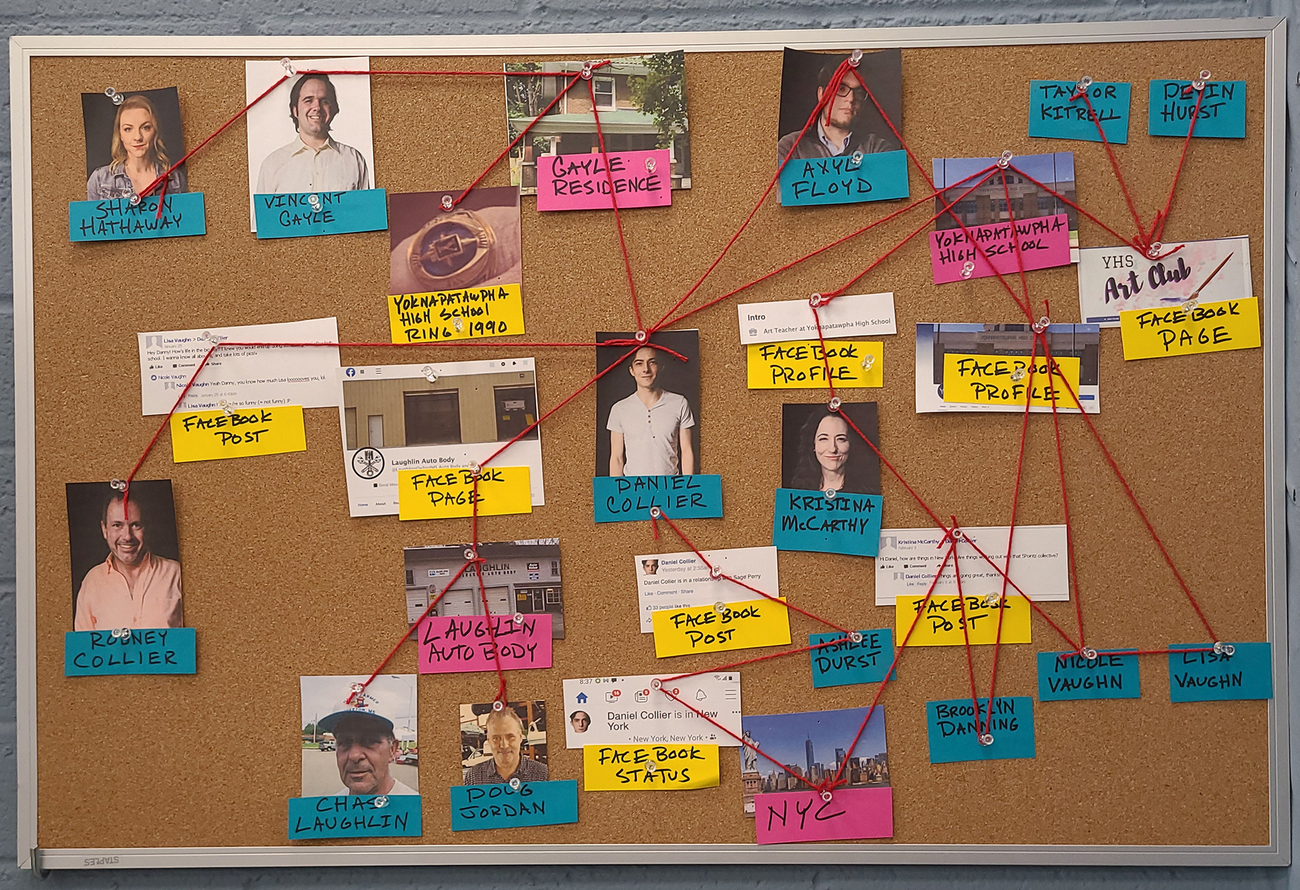
- Serial killer profiling
- Child custody cases
- Domestic violence cases
- Fraud and cybercrime behavior analysis
- Terrorism psychology
Limitations of Forensic Psychology
- Not always 100% accurate
- Human behavior is complex
- Profiles are predictions, not proof
- Risk of bias in judgment
Follow cyberdeepakyadav.com on
Facebook, Twitter, LinkedIn, Instagram, and YouTube
What's Your Reaction?