Cyber Slavery and Global Scam Networks: Tamil Nadu’s Growing Concern
This article examines the growing threat of cyber slavery linked to Southeast Asia’s Golden Triangle region, where trafficked individuals are forced into organized cyber fraud. It highlights Tamil Nadu’s connection, the scale of financial losses, and the urgent need for preventive measures, awareness, and international cooperation to combat this emerging security challenge
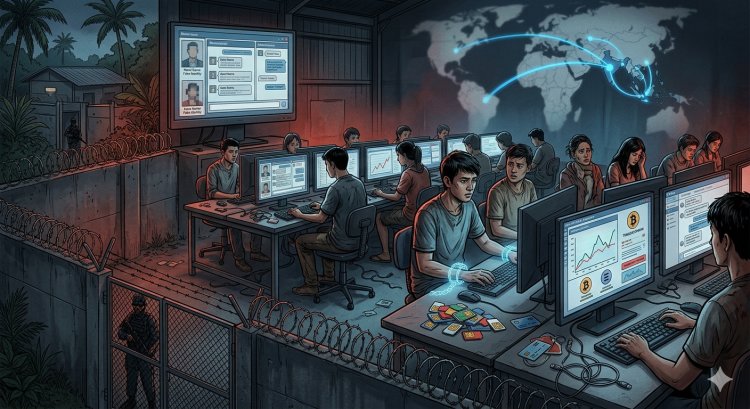
Rising Threat of Cyber Slavery: Tamil Nadu Police Intensifies Surveillance on Southeast Asia Returnees
The cybercrime wing of the Tamil Nadu Police has significantly enhanced surveillance on individuals returning from the Southeast Asian “Golden Triangle” region—comprising Laos, Cambodia, and Myanmar. This move aims to dismantle transnational cyber slavery networks operating from fortified scam compounds.
Officials confirmed close coordination with the Bureau of Immigration and the Protector of Emigrants to track and verify individuals arriving from these regions. The objective is to identify both victims and suspects linked to organized cyber fraud operations, many of which target Indian citizens.
Tamil Nadu Link to Global Cybercrime Networks
Investigations have uncovered a concerning connection between Tamil Nadu and these international fraud networks. Several job-seeking youths from the state were trafficked to Southeast Asia under false promises of lucrative employment and subsequently coerced into cybercrime activities.
Additionally, pre-activated SIM cards sourced from Tamil Nadu have been widely used in executing scams, indicating a domestic support system aiding these international operations.
Scale of the Problem
Data from the National Cybercrime Reporting Portal reveals:
- Approximately 4,500 cyber fraud complaints daily across India
- An estimated ₹30,000 crore loss in 2024 alone
These figures highlight the massive economic and social impact of cybercrime.
Cyber Slavery Model
Cyber slavery operates through a deceptive recruitment process:
- Victims are lured with fake overseas job offers (data entry, customer support, etc.)
- They undergo virtual interviews and are provided travel arrangements
- Upon arrival, they are confined in guarded compounds and forced into cyber fraud
The fraudulent activities include:
- Fake digital arrest scams
- Investment fraud
- Loan app scams
- Online romance and matrimonial fraud
Case Study: Trafficking and Exploitation
A notable case involved a युवक from Tiruvallur district who paid ₹2.3 lakh for a job in Cambodia but was instead sold to a scam syndicate. He was forced to create fake social media profiles and deceive victims. After facing physical abuse, he managed to return only after paying a ransom.
The investigation led to:
- Arrest of 7 individuals
- Identification of 91 trafficked victims
- Seizure of 3,000 pre-activated SIM cards
Illegal Infrastructure Supporting Cybercrime
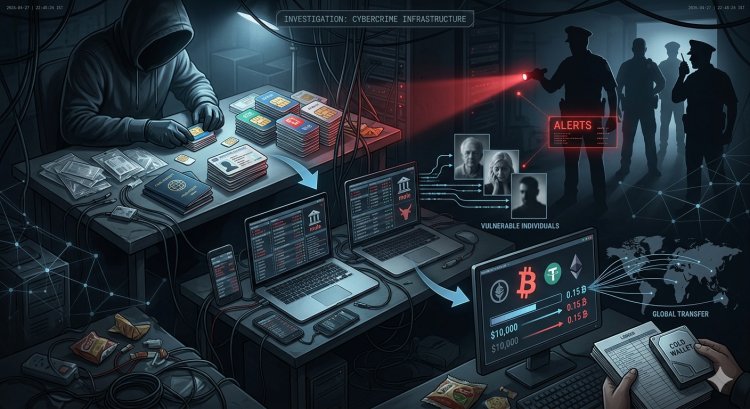
Authorities have also uncovered:
- SIM cards obtained using forged or stolen identities
- Mule bank accounts opened in the names of vulnerable individuals
- Conversion of illegal funds into cryptocurrency for international transfer
In a separate case, multiple arrests—including foreign nationals—were made for SIM card smuggling and financial facilitation of cybercrime.
Long-Term Security Concerns
A report by the Crime Branch-CID (CBCID) warns that individuals trained in such scam environments may eventually establish similar operations within India. This raises serious concerns about long-term national security and economic stability.
Preventive Measures
Senior officials emphasize the need for:
- Awareness programs targeting students, especially at the secondary level
- Regulation of overseas job recruitment
- Involvement of educational and training institutions in sensitization efforts
Process Flow Chart: Cyber Slavery Network
↓
[Online Interview & Selection]
↓
[Travel Arrangements (Visa + Ticket)]
↓
[Arrival in Southeast Asia]
↓
[Confiscation of Passport & Detention]
↓
[Forced Training in Cyber Fraud]
↓
[Execution of Scams]
↓
[Money Collection]
↓
[Mule Bank Accounts]
↓
[Conversion to Cryptocurrency]
↓
[Transfer to International Syndicates]
Impact Overview Chart
| Category | Details |
|---|---|
| Daily Complaints | ~4,500 |
| Annual Loss (2024) | ₹30,000 Crore |
| Trafficked Victims (case) | 91 |
| SIM Cards Seized | 3,000 |
| Key Regions | Laos, Cambodia, Myanmar |
Ultimately, a combination of vigilance, awareness, and systemic reforms will be essential to curb the rise of cyber slavery and protect vulnerable populations.
Follow cyberdeepakyadav.com on
Facebook, Twitter, LinkedIn, Instagram, and YouTube
What's Your Reaction?