LPG Booking Scam Alert in Kerala: Cyber Fraud Through Fake APK Apps
Cyber fraud gangs in Kerala are targeting consumers through fake LPG booking and bill update messages. By sending malicious APK files via SMS and WhatsApp, scammers gain unauthorized access to users’ devices and steal sensitive banking information. This article explains the scam process, associated risks, and essential preventive measures to safeguard against such cyber threats.
Cyber Fraud Alert: LPG Booking Scam in Kerala
Overview
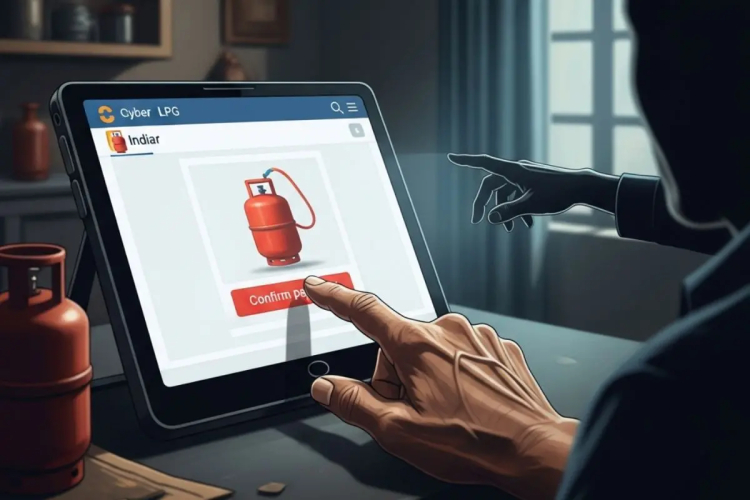
Cyber fraud groups in Kozhikode, Kerala are increasingly targeting consumers by posing as LPG service providers. Taking advantage of the ongoing gas cylinder shortage, scammers are using deceptive communication methods to trick users into installing malicious applications and stealing sensitive financial data.
Modus Operandi (Method of Operation)
The scam typically follows a structured sequence:
- Initial Contact
Victims receive a fraudulent SMS regarding LPG booking or bill updates. - Follow-up via WhatsApp
Scammers establish contact through WhatsApp to gain the victim’s trust. - Malicious File Distribution
A file named “GAS BILL UPDATE APK” is sent to the user. - Installation Request
Users are instructed to install the application to proceed with booking updates or payments. - Unauthorized Access & Fraud
Once installed:- The attacker gains complete control over the device
- Sensitive data (bank details, UPI PINs) is accessed
- Unauthorized financial transactions are executed
Risk Analysis
- Complete device compromise
- Theft of banking credentials
- Unauthorized fund transfers
- Leakage of personal and financial data
Preventive Measures
- Avoid clicking on unknown links or downloading suspicious files
- Never install APK files received via SMS or WhatsApp
- Use only official LPG websites or mobile applications
- Verify urgent messages directly with the service provider
- Do not share banking credentials on untrusted platforms
Fraud Process Flow Chart
↓
WhatsApp Contact
↓
APK File Sent ("Gas Bill Update")
↓
User Installs App
↓
Device Compromised
↓
Data Theft (Bank / UPI)
↓
Unauthorized Transactions
Tabular Summary
| Step | Activity | Associated Risk |
|---|---|---|
| 1 | Fake SMS | Attracts user attention |
| 2 | WhatsApp Communication | Builds trust |
| 3 | APK File Sent | Malware delivery |
| 4 | App Installation | Device compromise |
| 5 | Data Access | Theft of bank credentials |
| 6 | Fund Withdrawal | Financial loss |
Emergency Response
If you become a victim of cyber fraud:
- Call: 1930 (National Cyber Helpline)
- Report at: National Cyber Crime Reporting Portal
Conclusion
This scam is a classic example of a social engineering attack, where fraudsters exploit urgency and real-world issues to manipulate users. Awareness, caution, and verification are the most effective defenses against such cyber threats.
Follow cyberdeepakyadav.com on
Facebook, Twitter, LinkedIn, Instagram, and YouTube
What's Your Reaction?