Telangana Cybercrime Unit Saves Elderly Doctor from ‘Digital Arrest’ Scam; TGCSB Foils Major Extortion Attempt
An 80-year-old doctor and his family were rescued from a ‘digital arrest’ scam in Telangana as the TGCSB intervened swiftly, preventing financial loss and trauma.

Elderly Doctor, Family Rescued from ‘Digital Arrest’ Scam in Telangana; TGCSB’s Swift Response Prevents Major Fraud
Hyderabad: In a significant achievement for the Telangana Cyber Security Bureau (TGCSB), officials successfully prevented a large-scale digital extortion attempt and rescued an 80-year-old doctor and his family from three days of extreme psychological harassment inflicted by cybercriminals impersonating CBI officers.
The incident, reported from Bhadradri Kothagudem district, highlights the growing sophistication of cyber fraud tactics and the importance of timely intervention.
According to TGCSB Director Shikha Goel, the fraudsters kept the doctor—who operates a Nursing Home in Bhadrachalam—his daughter-in-law, and his minor granddaughter under a fabricated “digital arrest”. Exploiting fear and confusion, the scammers attempted to coerce the elderly man into prematurely breaking a Fixed Deposit (FD) and preparing to transfer funds under the guise of a confidential investigation.
Family’s Silence Triggers Suspicion
For three days, the family remained isolated, responding only to the fraudsters’ instructions and avoiding all external communication. Their unusual silence and sudden absence from the hospital eventually raised concerns.
Their hospital assistant, who had been trying to reach them, sensed something was wrong when repeated calls went unanswered. Upon visiting the residence and persistently questioning the family, the victims finally revealed the ongoing intimidation and pressure exerted by the criminals.
Realizing the severity of the situation, the assistant immediately informed the District Cyber Crime Coordination Centre in Kothagudem on the night of November 23, triggering a rapid response from authorities.
Rapid Police Action Breaks the Scam Cycle
Acting without delay, Deputy SP Ashok Babu and Inspector Jitender arrived at the doctor’s residence. Their first task was to cut off all communication lines with the fraudsters, effectively ending the scammers' psychological control over the family.
Director Goel praised the officers’ speed and efficiency, stating,
“Their prompt and timely intervention not only prevented a major financial loss but also brought immediate relief from the psychological distress the family was enduring.”
Inside the Investigation: How Police Are Unmasking the Fraud Network
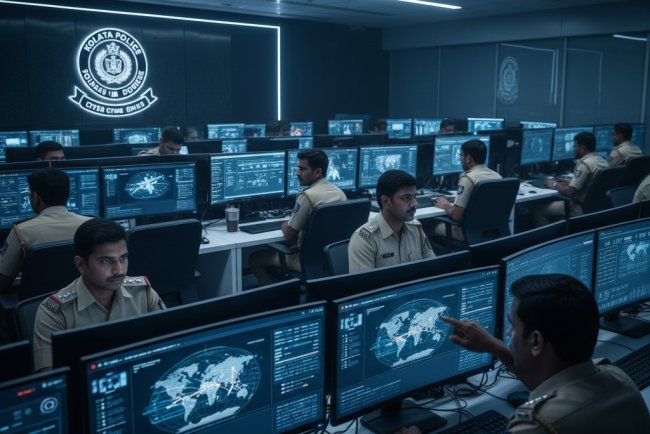
The Cyber Crime Police have initiated a comprehensive technical investigation, which involves multiple layers of digital forensics. The process includes:
-
Tracing the IP addresses used by the fraudsters
-
Analyzing call-routing paths to determine the origin of communication
-
Examining device identifiers, including spoofing tools and virtual numbers
-
Coordinating with telecom service providers to track suspicious VoIP activity
-
Engaging with national cybercrime platforms for cross-state data sharing
Preliminary findings suggest the involvement of a well-organized scam network that may be operating across multiple regions or even internationally. Officials hope the ongoing investigation will help identify the masterminds and expose similar fraud modules.
The Digital Arrest Phenomenon: A Rising Threat
The incident sheds light on the increasingly common ‘digital arrest’ scam, a manipulation tactic where scammers pretend to be officers from agencies like the CBI, NIA, or Police, and frighten victims by claiming they are under investigation.
Victims are then isolated through video calls, WhatsApp calls, or continuous communication, preventing them from seeking help.
Such scams rely heavily on fear, urgency, and impersonation—making unsuspecting individuals, particularly senior citizens, highly vulnerable.
Public Advisory: What Citizens Should Know
The TGCSB has strongly advised the public to remain cautious and aware of the following essential points:
-
No Police, CBI, ED, or government department ever conducts ‘digital arrests’.
-
No official agency initiates investigations through WhatsApp, video calls, or online messages.
-
Citizens should immediately disconnect such calls and report them to the 1930 Cyber Helpline.
-
Any suspicious communication demanding money, documents, or personal information must be treated as a scam.
The bureau reiterated that awareness is the first line of defense against such digital threats, and community alertness plays a crucial role in preventing crime.
Follow cyberdeepakyadav.com on
Facebook, Twitter, LinkedIn, Instagram, and YouTube
What's Your Reaction?