CBI Arrests Mumbai Bank Manager for Enabling Mule Accounts in ‘Digital Arrest’ Cybercrime Network
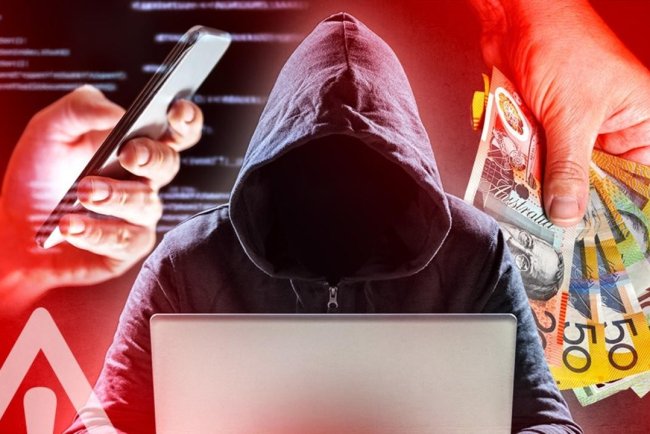
The Central Bureau of Investigation (CBI) has arrested a private bank manager in Mumbai for allegedly facilitating mule accounts used in large-scale cyber fraud and ‘Digital Arrest’ scams. The official is accused of accepting bribes, misusing his position, and enabling organized cybercriminal operations across India.

CBI Arrests Mumbai Bank Manager for Aiding Cybercriminals in “Digital Arrest” Scam
Mumbai | November 12, 2025:
In a major breakthrough against organized cybercrime networks, the Central Bureau of Investigation (CBI) has arrested a private bank manager from Mumbai for his alleged role in facilitating mule accounts used in digital arrest and other cyber fraud operations.
Bank Official Accused of Collusion and Bribery
According to the investigation, the accused official misused his official position to approve fraudulent account openings in exchange for bribes from cybercriminals. These mule accounts were later used to transfer and conceal illicit proceeds from various online scams.
The CBI stated that the arrested manager played a “crucial role” in enabling the digital financial network that supported cybercriminal activities across multiple states.
Investigations revealed that two cybercriminals had earlier paid illegal gratification to the officer to help them open several fake accounts. Both individuals had already been arrested by the CBI in connection with a previous Digital Arrest Cybercrime case.
A new FIR has now been registered under the Prevention of Corruption Act, covering offenses related to bribe-giving, bribe-taking, and collusion with public servants.
Network Exploited Banking Loopholes
Evidence collected so far indicates a wider pattern of organized cybercrime, where fraudsters exploited weak internal banking controls to open accounts using fake or stolen documents. These accounts served as primary channels for layering stolen funds, making it difficult to trace the original source.
Officials confirmed that the arrested bank manager was aware of the suspicious activities linked to these accounts but continued to process applications for personal gain.
The CBI emphasized that such complicity within financial institutions not only facilitates cybercrime but also undermines public trust in the banking system.
CBI Issues Warning to Banking Sector
In its official statement, the CBI warned that any active or passive role of bank officials—whether from private or cooperative banks—in enabling cybercrime would attract strict action under the Prevention of Corruption Act and the Bharatiya Nyaya Sanhita (BNS).
The Bureau added that it has intensified surveillance on financial institutions and is coordinating with the Reserve Bank of India (RBI) to identify and plug systemic vulnerabilities that allow fraudulent account openings.
Arrest and Ongoing Investigation
The bank manager was produced before a special CBI court in Mumbai and has been remanded to CBI custody for further interrogation.
Investigators are now working to determine how many mule accounts were opened under his supervision and whether other bank employees were part of the network.
Authorities are also analyzing transaction records, communication logs, and CCTV footage from the concerned branch to trace the movement of illicit funds.
Understanding the “Digital Arrest” Scam
The “Digital Arrest” scam has rapidly emerged as one of India’s fastest-growing cybercrimes.
In such cases, fraudsters impersonate law enforcement or government officials, falsely claiming that a victim’s bank account is linked to illegal activity.
They then intimidate victims through video calls or fake notices, asserting that they are being “digitally arrested” and must pay money to avoid prosecution.
Driven by fear and confusion, victims often transfer large sums into accounts controlled by the fraudsters.
Public Advisory and Awareness
Reiterating its public advisory, the CBI urged citizens to remain vigilant against such scams:
“Do not click on unknown links, share personal details, or make payments to individuals posing as government or police officials. Always verify through official websites or helpline numbers.”
Victims of cyber frauds are advised to immediately contact the National Cybercrime Helpline (1930) or file complaints on www.cybercrime.gov.in.
Conclusion
The arrest of the Mumbai bank manager highlights how insider corruption can fuel the growth of cybercrime networks. The CBI’s swift action underscores the need for stronger internal controls, ethical banking practices, and public awareness to safeguard India’s digital economy.
Follow cyberdeepakyadav.com on
Facebook, Twitter, LinkedIn, Instagram, and YouTube
What's Your Reaction?