₹63 Lakh Cyber Fraud: How a Senior Citizen Fell Victim to a ‘Digital Arrest’ Scam
A 78-year-old retired banker lost ₹63.4 lakh after cybercriminals impersonating police, ED, and RBI officials placed him under a fake “digital arrest.” The case exposes the growing threat of social-engineering-based cyber frauds, cross-border cybercrime networks, and the misuse of authority to extort money from unsuspecting citizens.
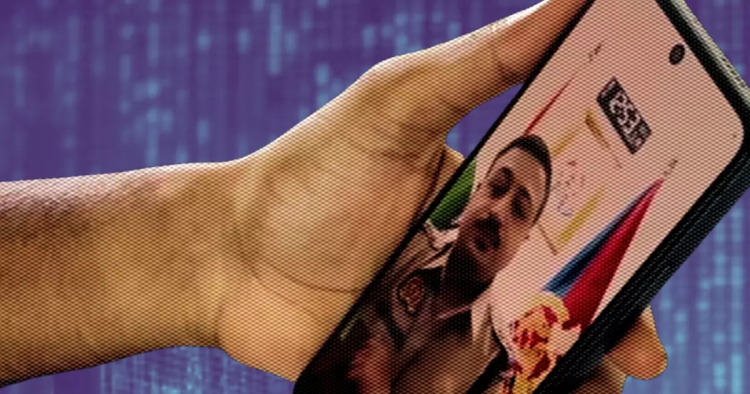
Senior Citizen Loses ₹63 Lakh in Sophisticated “Digital Arrest” Cyber Fraud
A 78-year-old retired senior banker was allegedly cheated of ₹63.4 lakh in a well-orchestrated cyber fraud, where criminals posed as law enforcement and regulatory officials and threatened him with arrest for alleged links to a human trafficking and money laundering case.
An FIR has been registered at the Cyber Crime Police Station based on the victim’s complaint. The incident occurred between November 26 and December 1, during which the victim was psychologically manipulated into transferring large sums of money under the pretext of “clearing his name”.
Modus Operandi: Impersonation and Psychological Coercion
According to the complaint, the victim first received a video call from a fraudster impersonating “Inspector Kuldeep Singh from the Mumbai Crime Branch.” The caller falsely claimed that the victim’s name had surfaced in human trafficking and money laundering investigations.
Soon after, the victim was sent a forged notice purportedly issued by the Enforcement Directorate (ED), alleging connections with Sadakat Khan, who was arrested last year for his role in an international human trafficking racket in Cambodia. In that case, Indian youths were reportedly lured abroad with fake job offers and forced to engage in cybercrime operations.
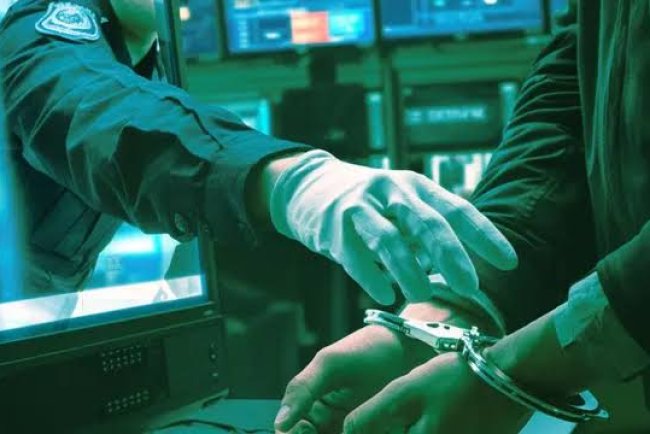
Subsequently, fraudsters posing as ED and Reserve Bank of India (RBI) officials contacted the victim and informed him that he was under “digital arrest”, warning of imminent imprisonment if he failed to cooperate.
Financial Exploitation Through Fake “Government Verification”
Under the guise of official verification, the fraudsters extracted the victim’s personal and financial details and instructed him to transfer his savings to so-called “government accounts.” Trusting their claims, the victim transferred ₹63.4 lakh in two transactions to mule accounts.
He was assured that the amount would be returned within 30 minutes after verification. When the money was not credited back, the victim grew suspicious and consulted a lawyer friend, who confirmed that he had been defrauded. The victim then formally approached the police.
A Broader Pattern of Cyber Deception
Investigators note that such frauds are part of a larger pattern of social engineering-based cybercrime, where criminals exploit fear, authority, and urgency. Fraudsters have increasingly used:
-
Deepfake videos of prominent personalities
-
Forged warrants and official documents
-
Impersonation of CBI, ED, RBI, NIA officials and even judges
Notable public figures whose identities have been misused include Infosys founder N. R. Narayana Murthy, Finance Minister Nirmala Sitharaman, and several senior political and corporate leaders.
National Concern and Cross-Border Networks
Despite extensive public awareness campaigns, cases involving “digital arrest,” online extortion, and blackmail continue to rise. The issue has been highlighted even by Prime Minister Narendra Modi in his Mann Ki Baat address.
Authorities have identified sophisticated cross-border cybercrime syndicates, which operate through:
-
Multiple layers of mule accounts within India
-
Rapid fund transfers to avoid detection
-
Final laundering of money through cryptocurrency and international networks
Conclusion
This case underscores how highly educated and experienced individuals can fall victim to advanced cyber fraud driven not by technical hacking, but by psychological manipulation. It highlights the urgent need for:
-
Stronger digital literacy
-
Clear public messaging on fake legal concepts like “digital arrest”
-
Prompt verification before financial transactions under pressure
Cybercrime today is less about technology—and more about exploiting human vulnerability.
Follow cyberdeepakyadav.com on
Facebook, Twitter, LinkedIn, Instagram, and YouTube
What's Your Reaction?