Dark Web Tracking in Forensic Science
he dark web is a hidden part of the internet that cannot be accessed through normal browsers like Chrome or Safari. It uses special networks such as: Tor Browser I2P Freenet These networks hide users’ identities and locations through encryption and anonymous routing.
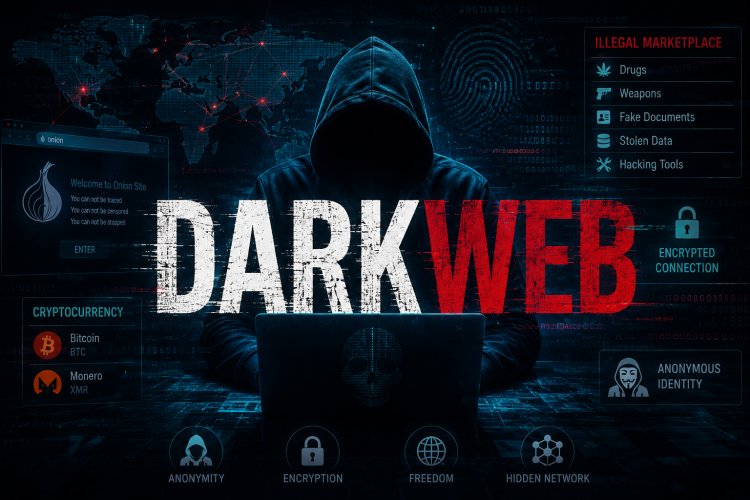
The dark web itself is not illegal, but it is often used for:
- Drug trafficking
- Weapons trade
- Stolen data sales
- Human trafficking
- Counterfeit documents
- Cybercrime marketplaces
- Terrorist communication
- Cryptocurrency laundering
What Is Dark Web Tracking?
Dark web tracking is the process of:
- Monitoring hidden websites
- Identifying criminal activities
- Tracing digital evidence
- Following cryptocurrency transactions
- Detecting cyber threats
- Collecting forensic intelligence
It combines:
- Digital forensics
- Cybersecurity
- OSINT (Open Source Intelligence)
- Blockchain analysis
- AI-powered surveillance
Why Is Dark Web Tracking Important?
Law enforcement agencies use it to:
- Prevent cyberattacks
- Track hackers
- Recover stolen data
- Detect terrorism financing
- Identify child exploitation networks
- Monitor ransomware gangs
Major agencies involved include:
- Federal Bureau of Investigation
- Europol
- INTERPOL
Structure of the Web
1. Surface Web
Normal websites indexed by search engines.
Examples:
- News websites
- Social media
- Blogs
Only about 5% of the internet.
2. Deep Web
Content not indexed publicly:
- Banking systems
- Medical databases
- Academic portals
- Private cloud storage
Legal and widely used.
3. Dark Web
Encrypted hidden networks requiring special software.
Common domains:
.onion(Tor).i2p
How Dark Web Tracking Works
Step 1: Accessing the Dark Web
Investigators use:
- Secure virtual machines
- Anonymous operating systems
- VPNs
- Tor Browser
Special forensic labs isolate systems to avoid malware infection.
Step 2: Web Crawling & Monitoring
Automated crawlers scan hidden marketplaces and forums.
They collect:
- Usernames
- Messages
- Cryptocurrency wallet addresses
- Product listings
- IP leaks
- Email addresses
AI tools classify suspicious activity.

Step 3: Cryptocurrency Tracking
Most dark web payments use:
- Bitcoin
- Monero
Blockchain forensic tools trace:
- Wallet transfers
- Money laundering routes
- Exchange cash-outs
Popular forensic platforms:
- Chainalysis
- Elliptic
- CipherTrace
Step 4: Metadata & Digital Footprint Analysis
Investigators analyze:
- Time zones
- Writing styles
- Browser fingerprints
- Language patterns
- Reused usernames
- Server misconfigurations
Sometimes criminals accidentally expose real identities.
Step 5: Infiltration Operations
Cyber investigators may:
- Join forums undercover
- Communicate with suspects
- Purchase illegal items as evidence
- Observe criminal networks
This requires legal authorization.
Technologies Used in Dark Web Tracking
AI & Machine Learning
AI identifies:
- Suspicious patterns
- Fraud networks
- Emerging threats
- Terrorist content
Natural Language Processing (NLP) analyzes hidden forum discussions.
Blockchain Analytics
Tracks cryptocurrency flow across:
- Wallets
- Exchanges
- Mixers
- Gambling platforms
Can reveal real-world identities if criminals convert crypto to bank money.
Big Data Analytics
Millions of dark web posts are analyzed to:
- Detect trends
- Predict attacks
- Identify criminal organizations
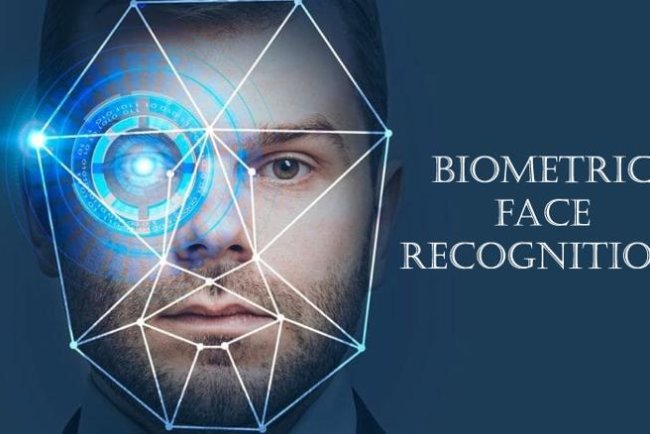
Image & Facial Recognition
Used for:
- Child exploitation investigations
- Human trafficking cases
- Identity verification

Major Criminal Activities on the Dark Web
1. Drug Markets
Illegal narcotics sold globally.
Example:
- Silk Road seizure
2. Stolen Data Markets
Sold items include:
- Credit card data
- Passwords
- Aadhaar details
- Banking credentials
3. Ransomware Groups
Hackers demand crypto payments after encrypting data.
Major ransomware groups operate heavily on dark web forums.
4. Illegal Weapons Sales
Includes:
- Firearms
- Explosives
- Fake licenses
5. Human Trafficking & Exploitation
One of the most serious areas monitored by global agencies.
Challenges in Dark Web Tracking
Strong Anonymity
Tor hides:
- IP addresses
- User identity
- Server location
Encryption
End-to-end encryption limits evidence collection.
Cryptocurrency Privacy
Coins like Monero are harder to trace.
Jurisdiction Problems
Dark web crimes are international.
Different countries have different cyber laws.
Ethical & Legal Issues
Investigators must balance:
- National security
- Privacy rights
- Freedom of expression
Important legal concerns:
- Illegal surveillance
- Data privacy
- Evidence admissibility
- Entrapment risks
Applications in Forensic Science
Dark web tracking helps forensic experts in:
- Cybercrime investigation
- Digital evidence collection
- Terrorism investigation
- Fraud detection
- Identity theft analysis
- Cryptocurrency crime tracing
Follow cyberdeepakyadav.com on
Facebook, Twitter, LinkedIn, Instagram, and YouTube
What's Your Reaction?